How to Choose RV Parking Storage (5 Tips)
RV parking storage gives you a secure place to keep a motorhome, campervan or travel trailer when it is not in use. The best choice depends on vehicle size, access needs, security, budget and weather protection. Covered spaces add shelter, while enclosed units provide the strongest protection from sun, rain and prying eyes.
Why use RV parking storage?
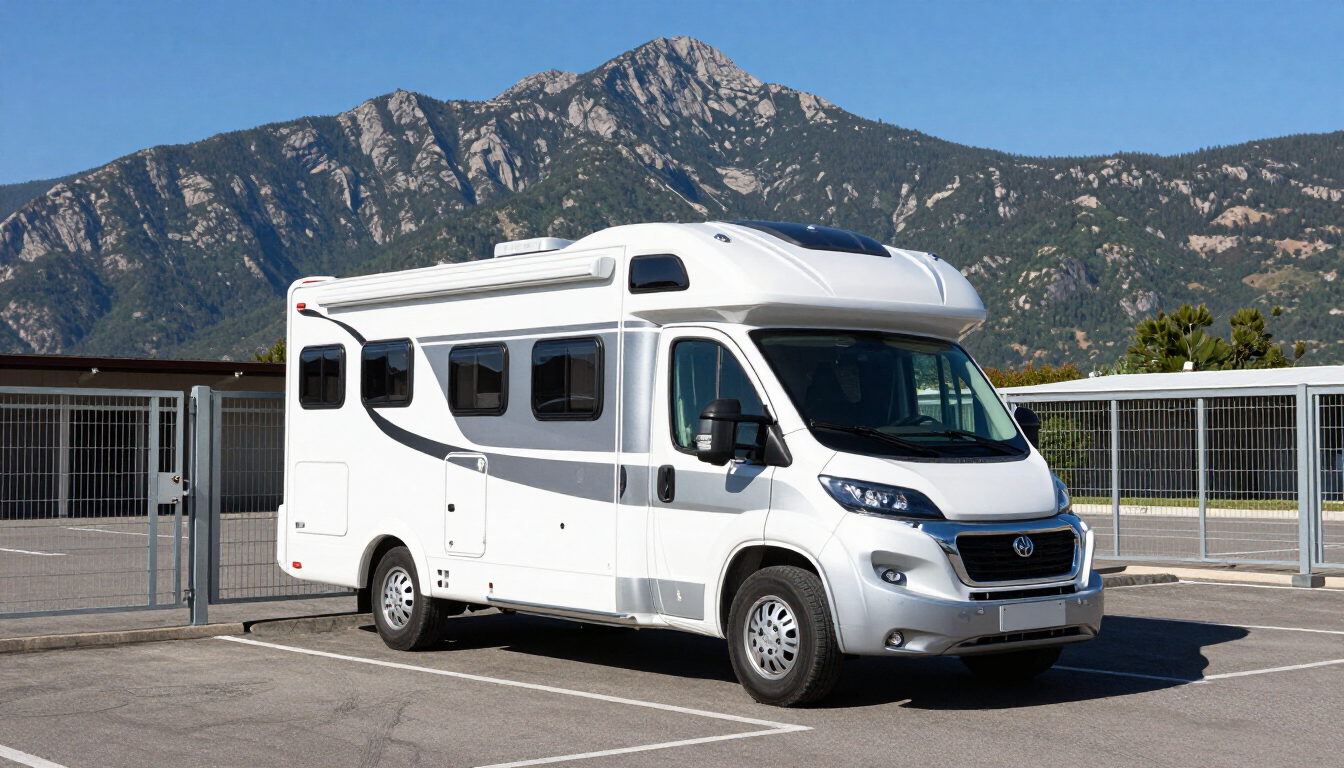
Leaving an RV on a drive, street or grass verge can create practical headaches. It may block household parking, annoy neighbours or expose your vehicle to weather, accidental damage and unwanted attention. RV parking storage offers a dedicated space designed for larger recreational vehicles.
It can help you:
- Keep your home driveway clear
- Protect your RV from harsh weather and falling debris
- Reduce the risk of accidental knocks or vandalism
- Make trips easier by keeping your vehicle ready to go
- Avoid storing an oversized vehicle on a public road
For first-time parking users, the process may seem more complicated than hiring a standard storage unit. In reality, the main task is matching your vehicle and routine to the right space. You can also browse storage types to compare other vehicle and personal storage options.
What is the difference between covered and enclosed RV parking?
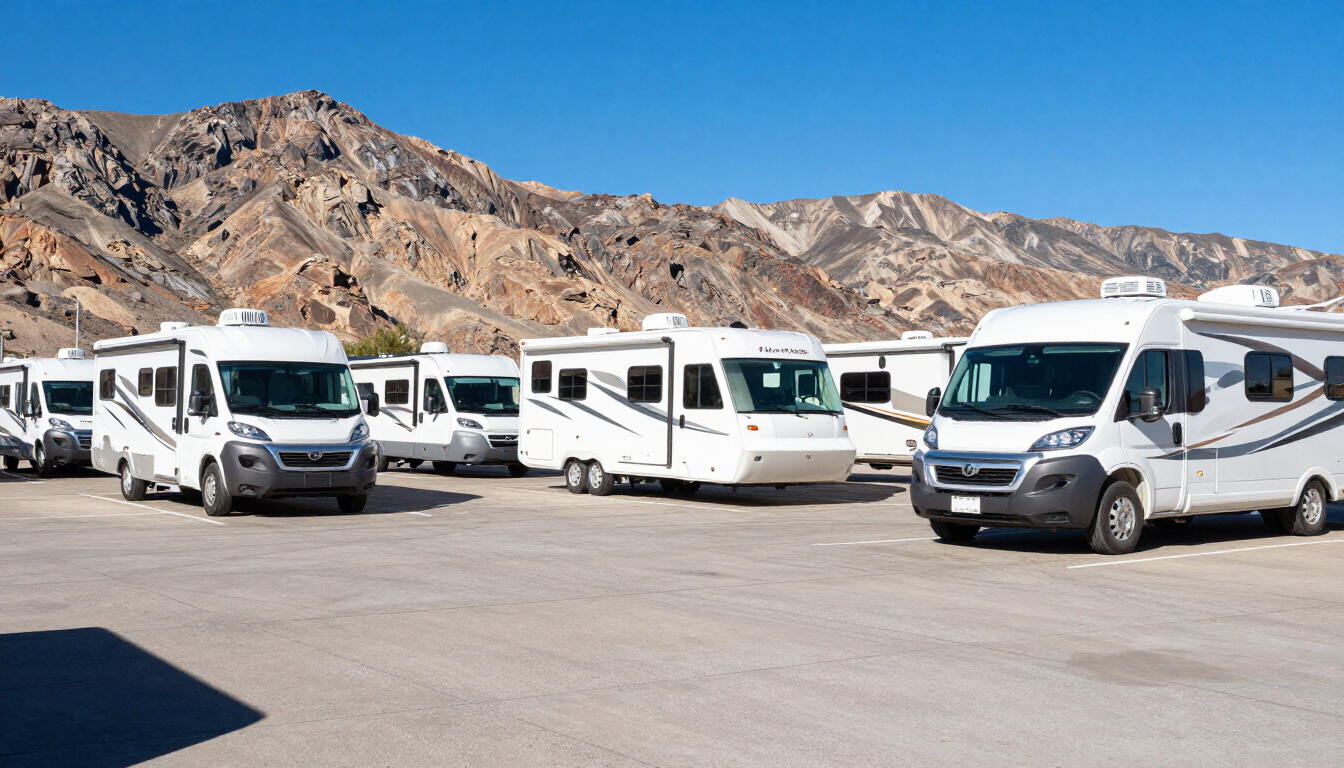
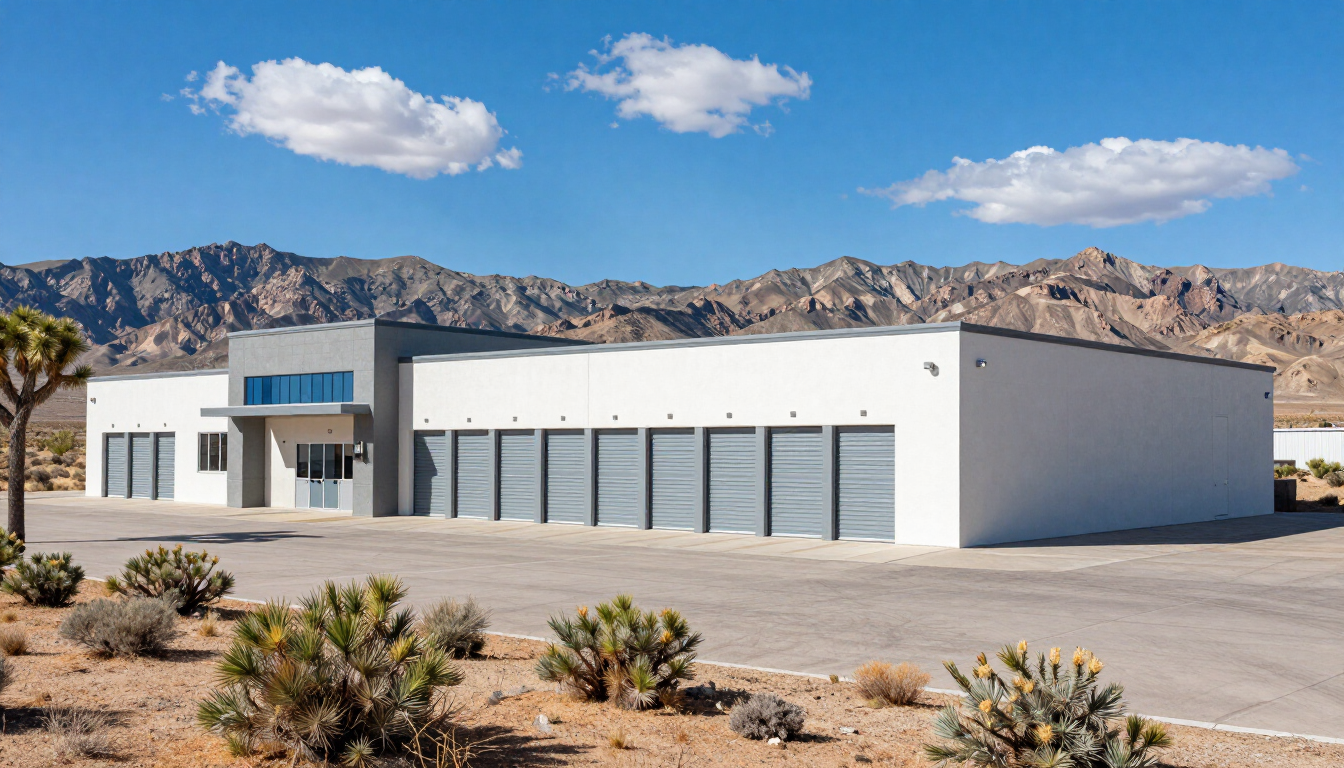
Covered RV parking protects your vehicle with a roof or canopy while leaving the sides open. Enclosed RV storage places the vehicle inside a private unit or fully enclosed building. Both options are useful, but they offer different levels of protection, access and privacy.
Covered RV parking
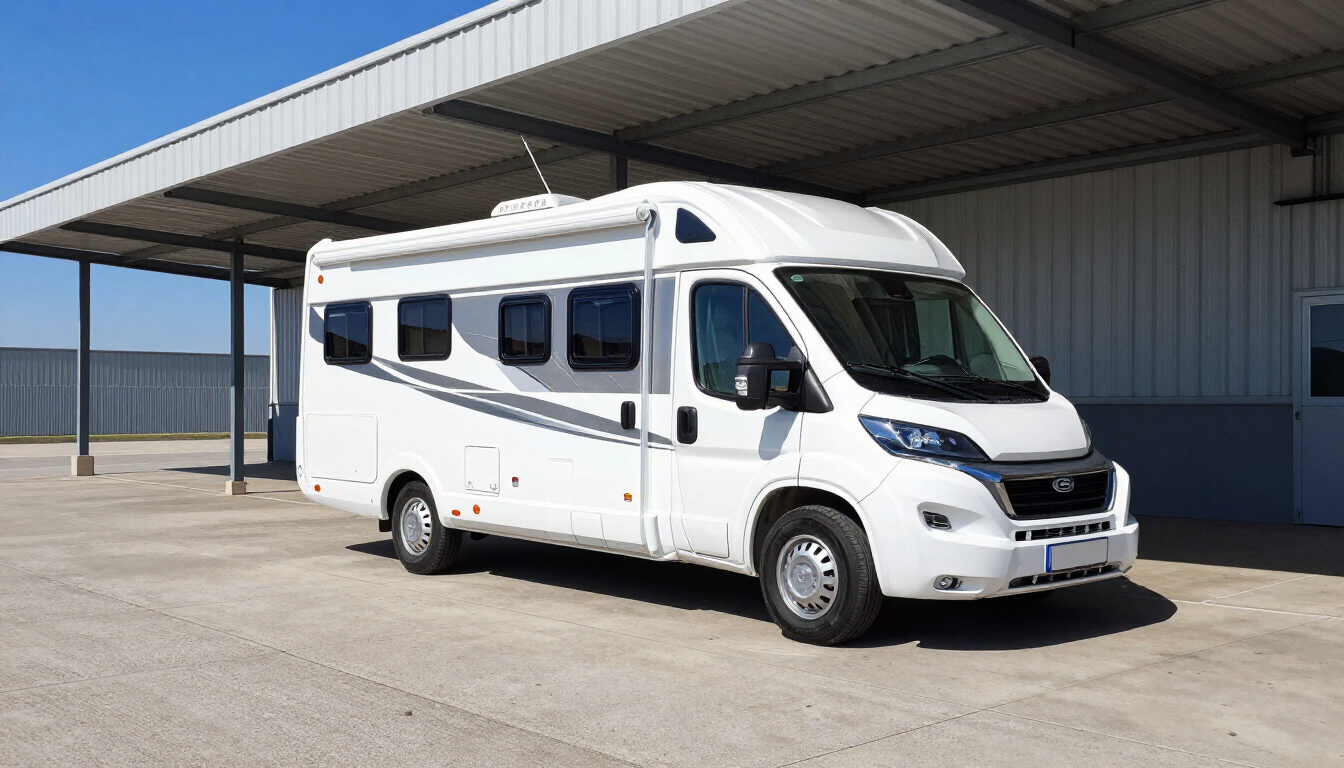
Covered spaces are a practical middle ground. The roof helps shield your RV from rain, snow, intense sunlight and bird mess, while the open sides usually make manoeuvring simpler. They are often more affordable than enclosed spaces.
Choose covered parking if you want:
- Protection from overhead weather and UV exposure
- Easier drive-in and drive-out access
- A lower-cost alternative to an enclosed unit
- A suitable space for regular trips and seasonal use
Enclosed RV storage
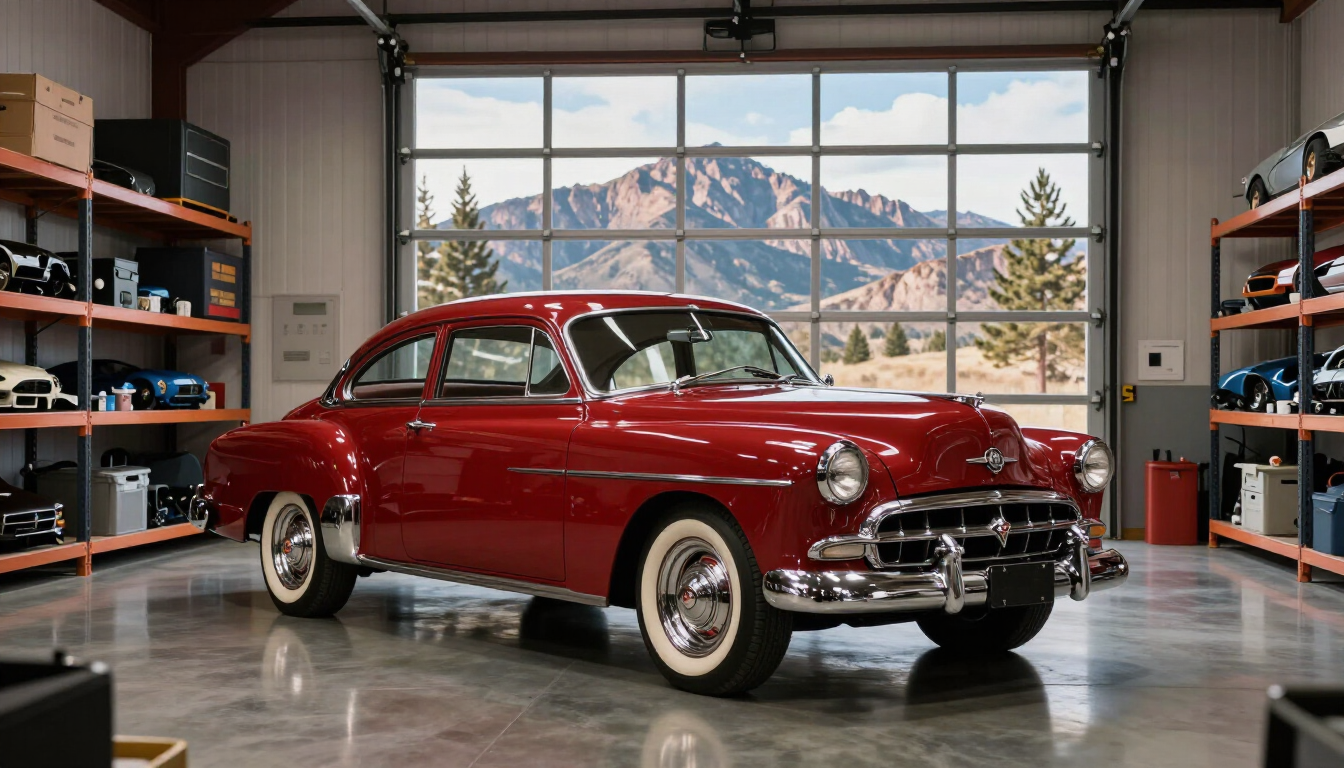
Enclosed parking offers a higher level of shelter and privacy. It can protect more completely against weather, dust, animals and curious passers-by. It may also be the better option for valuable, vintage or highly equipped vehicles.
Choose an enclosed space if you want:
- Maximum weather protection
- Additional privacy and security
- Reduced exposure to dust and airborne debris
- A more controlled environment for long-term storage
Before booking, confirm the exact dimensions. An RV that fits the length may still be too tall or wide for the entrance, turning area or internal clearance.
How do you choose the right RV parking space?
Start with five practical checks. They can prevent the classic first-time mistake: discovering that your vehicle fits on paper but not comfortably through the gate.
- Measure the complete vehicle. Include mirrors, ladders, awnings, spare tyres, roof equipment and any attached accessories.
- Check the space dimensions. Compare your measurements with the listed length, width and height. Leave room for safe opening and walking around the vehicle.
- Consider how often you travel. Frequent trips call for convenient access, while seasonal storage may make stronger weather protection more valuable.
- Review the surface and approach. A level, well-maintained surface makes parking easier and reduces strain on tyres and stabilising equipment.
- Ask about availability and reservation. If the right size is popular, reserving early may be sensible before a holiday or travel season.
A simple rule is to prioritise fit first, access second and price third. A cheaper space is poor value if it is difficult to enter or forces you to remove equipment every time you visit.
What should you check before renting an RV space?
Do not judge a facility only by photographs. Ask specific questions before you reserve:
- What are the gate opening hours?
- Is access suitable for a large motorhome or trailer?
- Is the parking surface paved, concrete or gravel?
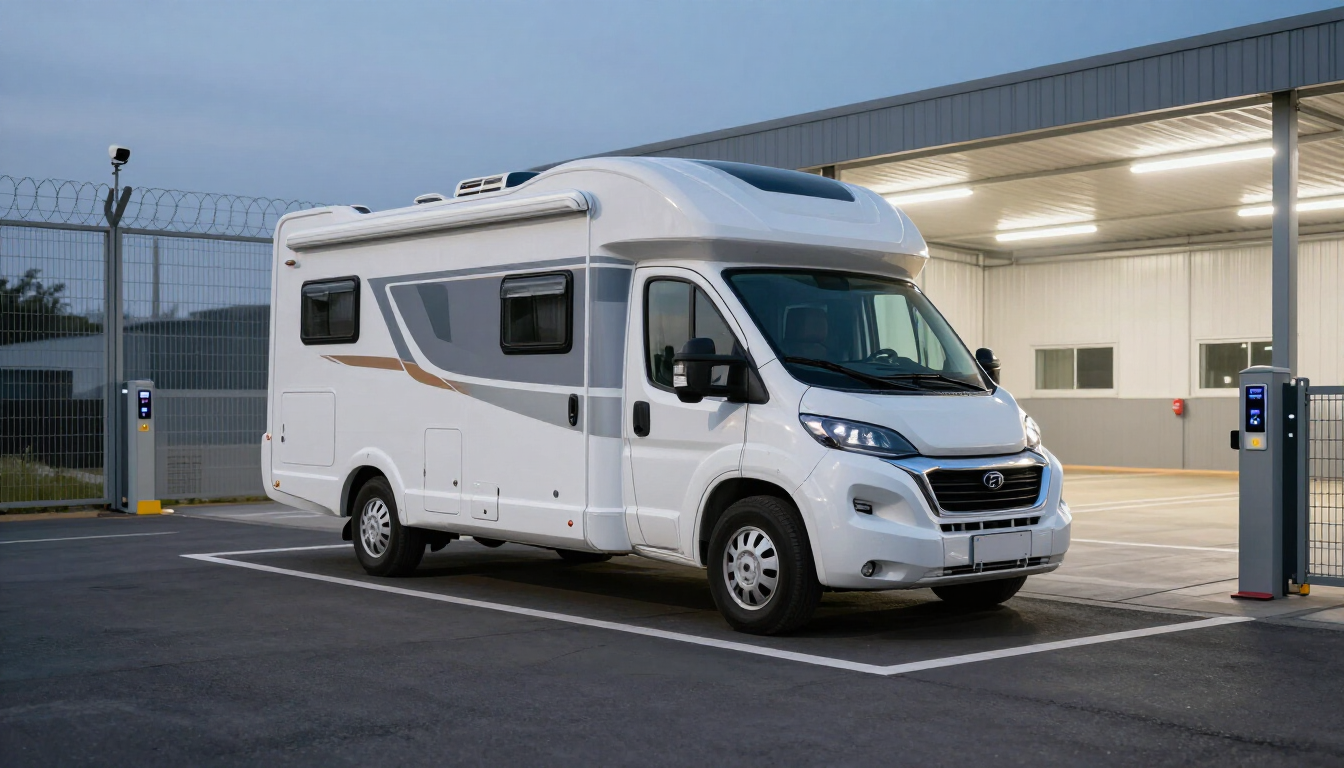
- Are there lighting, cameras, fencing or controlled-entry measures?
- Are there height restrictions at the entrance and throughout the site?
It is also worth asking whether you can inspect the space in person. Walk or drive the route from the entrance to the allocated bay. Look for tight corners, low branches, steep slopes and areas where reversing could be difficult.
Read the agreement carefully, including payment terms, notice periods, permitted use and any rules about repairs, cleaning or working on the vehicle. A storage space is generally intended for parking, not for turning the facility into a workshop or holiday home.
You may also wish to review the available tenant protection plan and ask what it does and does not cover. Storage protection is not automatically the same as motor insurance, so check your RV policy separately.
How much does RV parking storage cost?
The price varies according to location, vehicle size, space type, access arrangements and demand. Covered and enclosed parking usually costs more than an uncovered outdoor bay because they provide extra shelter, construction and security.
When comparing prices, check what is included. A lower headline rate may not reflect access charges, deposits, administration fees or different payment terms. Compare the total cost over the period you expect to store the vehicle.
Think about value rather than price alone. Covered or enclosed parking may help reduce cleaning, weather-related wear and the hassle of finding a suitable place at home. If your RV is used only a few times each year, stronger protection could be worthwhile. If you travel every weekend, convenient access may matter more.
For current availability, use Rent or Reserve or contact the facility through Contact Us . Ask for the dimensions and terms of the specific space, not just a general price estimate.
How should you prepare an RV for storage?
A short preparation checklist can make collection easier and help prevent avoidable problems:
- Clean and dry the interior and exterior before parking
- Remove food, rubbish and anything that could attract pests
- Check tyre pressure and inspect for visible damage
- Disconnect or maintain batteries according to the manufacturer’s guidance
- Secure awnings, windows, doors and loose external equipment
If the vehicle will remain parked for an extended period, follow the manufacturer’s recommendations for fuel, fluids, brakes and engine care. Do not start the engine briefly without allowing it to reach the correct operating conditions; ask a qualified professional if you are unsure.
Keep important documents, keys and contact details in a safe place. Photograph the vehicle before storage so you have a simple record of its condition. When collecting it, inspect tyres, lights, fluids and external fittings before setting off.
A simple RV storage decision guide
Your choice can usually be narrowed down quickly:
- Choose covered parking if you want overhead weather protection at a moderate cost.
- Choose enclosed RV storage if privacy and maximum protection are priorities.
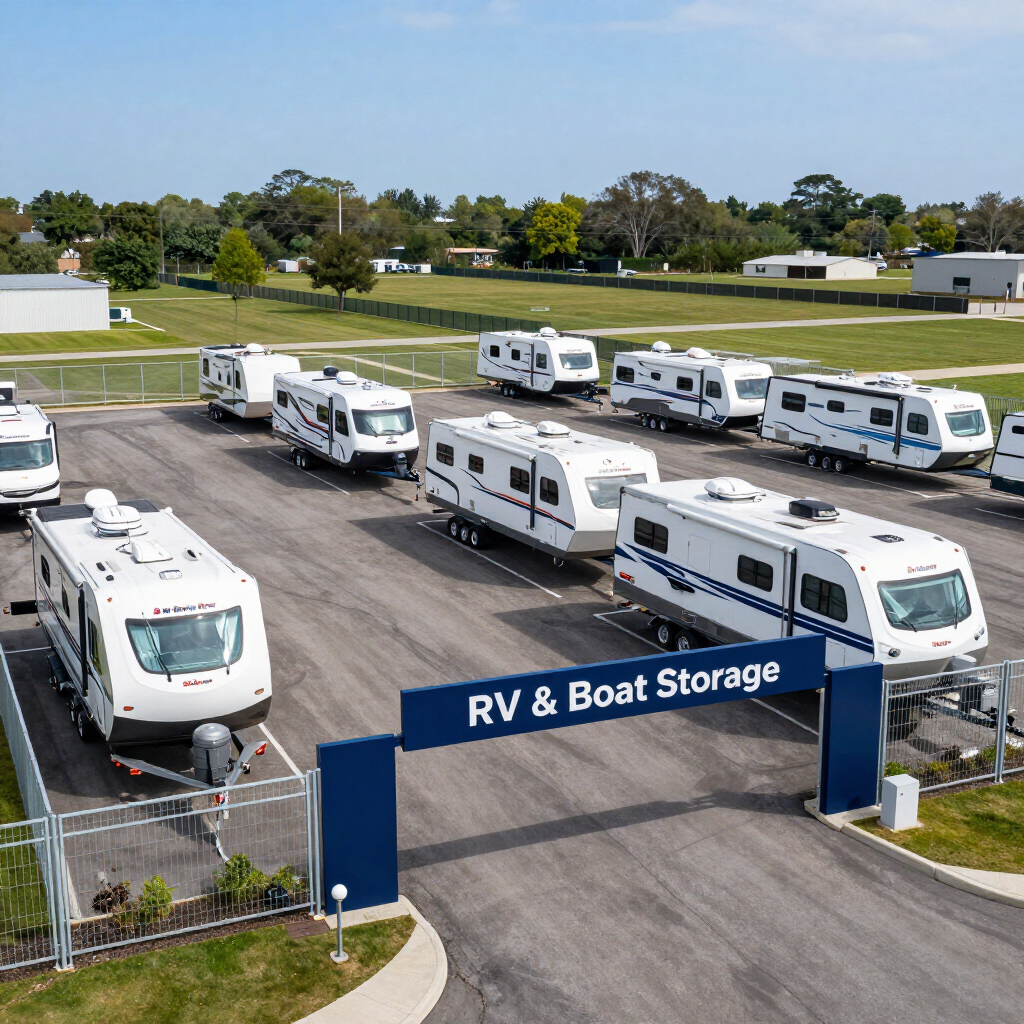
- Choose outdoor parking if budget is the main concern and your vehicle can safely tolerate exposure.
- Choose a larger space if you need room for access, accessories or safe manoeuvring.
- Choose convenient access if you take frequent trips or have a fixed travel schedule.
For related vehicle options, explore covered vehicle storage . If you need more general help selecting a unit, Find Storage is a useful starting point.
Frequently asked questions
Is covered RV parking better than outdoor parking?
Covered RV parking is usually better for reducing exposure to sun, rain, snow and falling debris. Outdoor parking may cost less, but it leaves the vehicle more exposed and may require more frequent cleaning and maintenance.
Does an RV need enclosed storage?
Not always. Enclosed RV storage is most useful when maximum protection, privacy or long-term storage matters. Covered parking may be enough for many vehicles, particularly when convenient access and budget are important.
What size RV space should I rent?
Rent a space that exceeds the vehicle’s full measurements, including mirrors and accessories. Confirm the height, width, length and turning clearance before booking. If you tow a trailer, ask whether the total combination can be accommodated.
Can I check out an RV parking space before reserving?
Yes, and it is recommended for first-time users. Inspect the entrance, route, clearance, surface, lighting and manoeuvring area. This gives you a much clearer idea of whether the space will be comfortable in real use.
Your next step
The best RV parking storage option is the one that fits your vehicle securely and suits the way you travel. Measure everything, compare covered and enclosed protection, check access and security, then review the full agreement before reserving. Covered parking is a sensible balance for many owners, while enclosed storage is ideal when protection and privacy matter most. If you are ready to compare availability, browse Rent or Reserve , or contact Storelocal Storage with your vehicle’s dimensions and preferred access schedule.